my chosen region
SICILY, ITALY
by amani
mourad
capital: palermo
sicilian flag
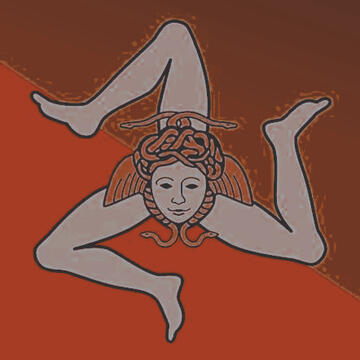
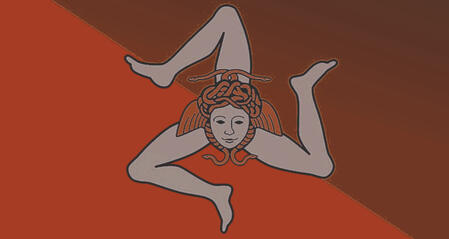
the sicilian flag is a unique one, with its design in the middle. donning a winged head of medusa, three legs sprout out from each side to give it a rather distinctive look. the background is yellow and red, despite what the image on the side shows. its official title is the trinacria.
palermo, italy
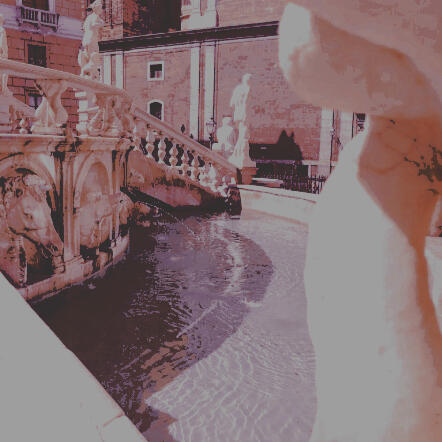
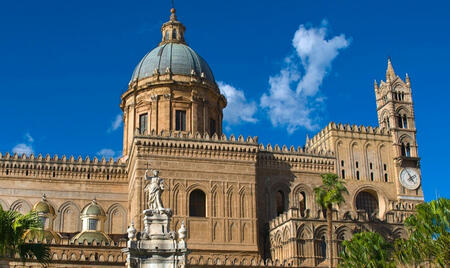
palermo is a city in italy, more widely known as the capital of sicily. the city is notorious for its architecture, history, and foods behind the walls of every structure built. founded in 734 b.c. by the phoenicians, it was originally given the name of sis, meaning flower. its metropolitan area is the fifth most populated in italy with about 1.2 million people, whereas palermo itself has over eight hundred thousand residents. the main spoken language is italian, though sicilian is the dialect normally used. numerous tourists are attracted to this city for the meditterranian climate and its culture.
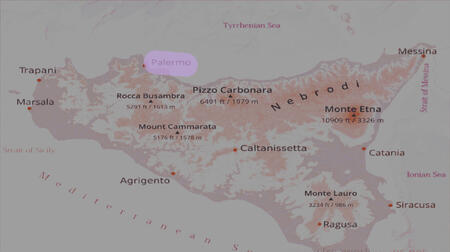
sicily's geography
pictured on the side is a map of sicily, italy, with its capital highlighted. sicily is an autonomous region, meaning that its government is completely separate from the rest of italy. the island is mostly made up of mountains and rocky lands, whereas seismic and volcanic activity is very intense. underground watering holes and springs are also very plentiful.
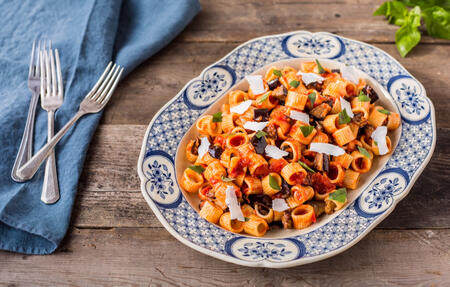
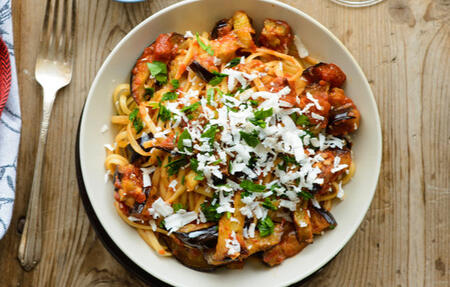
pasta alla norma
pasta alla norma is a very popular dish in sicily, and i chose it because sicily does not have a specific region wide dish. pasta alla norma is a vegan-safe recipe to make, and it is as shown:
- 1 aubergine
- olive oil
- 1 garlic clove, minced
- 400g of San Marzano tomatoes, (1 tin)
- 400g of boccole pasta
- basil, to garnish
- ricotta salata, to garnish
1. To begin, evenly dice the aubergine into 1–2cm cubes and sprinkle with salt. Leave in a colander for 10 minutes to draw out any excess moisture.
2. Gently sauté the minced garlic in 1 tbsp of olive oil for about 30 seconds, or until just soft (do not allow the garlic to colour or it will impart a bitter flavour into the sauce.)
3. Add the tomatoes (if using whole tinned tomatoes, roughly chop them before adding.)
4. Simmer for 10–15 minutes until the sauce has thickened slightly. Stir intermittently to avoid any sticking.
5. Meanwhile, rinse the salt from the aubergine and pat dry with kitchen paper. Shallow fry the aubergine in olive oil until golden (you may need to do this in batches.)
6. Once golden, drain on kitchen paper to remove any excess oil.
7. Cook the pasta in a pan of heavily salted boiling water for 8–10 minutes, or as per packet instructions.
8. Once the pasta is cooked al dente, drain and add to the tomato sauce. Add the aubergine and toss so the pasta is evenly coated in the sauce.
9. Garnish with shavings of ricotta salata and torn basil leaves.
fun facts
- sicily is the biggest island in the mediterranean sea.
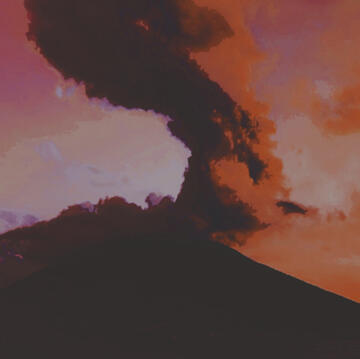
- the tallest active volcano in europe is mount etna, in sicily.
- the sonnet was invented in sicily.
- The mythological monsters of Scylla and Charybdis are on the 2 sides of the strait separating sicilians from mainland - the tale of the sisters who made an appearance in the odyssey was indefinitely inspired by the long body of water.
- sicily has coasts in three different seas.
- The famous mathematician Archimedes was from Sicily.
- greek ruins can be found scattered around the island, well-preserved.
- sicily used to be independant for 750 years.
- the first mafia was the sicilian mafia.
- sicily is the fourth biggest wine producer in italy.
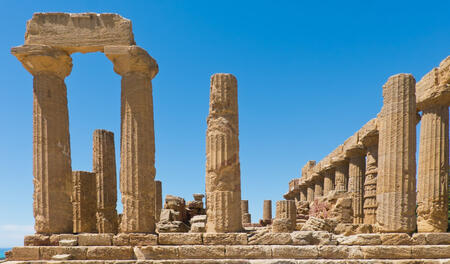
two places to visit
valley of the temples
an ancient archaeological site and museum located in sicily. The majority of the sites at the Valley of the Temples were initially constructed in the 5th century BC. However, having been destroyed first by the Carthaginians around 406 BC and then the Christians in the 6th century AD, the temples have since been partly reconstructed.
norman palace
the norman palace was the seat of the Kings of Sicily with the Hauteville dynasty and served afterwards as the main seat of power for the subsequent rulers of Sicily. Since 1946 it has been the seat of the Sicilian Regional Assembly. The building is the oldest royal residence in Europe; and was the private residence of the rulers of the Kingdom of Sicily and the imperial seat of Frederick II and Conrad IV.